
Describe where the work actually happens
A headcount is more useful when paired with working hours, separate crews and the locations where people spend their shifts. A single entrance does not mean everyone works near it. Identify remote work areas and explain whether workers can reach the proposed facilities without entering a restricted or hazardous area.
Use the project address together with the delivery gate and receiving contact. On a developing site, a postal address or a pin at the future building entrance may not lead to a usable delivery point.
Protect the usable footprint
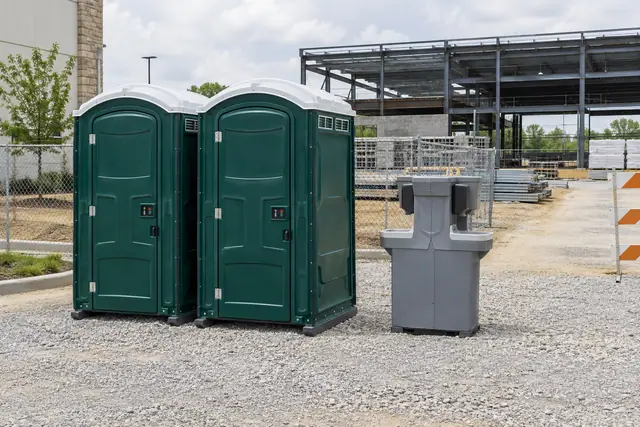
Show the proposed toilet position alongside material storage, dumpsters, temporary fencing and vehicle movement. Leave the supplier to assess equipment placement and service access; a cabin's footprint alone is not enough to establish the required working room.
Explain upcoming changes, such as a different gate or a paved area being completed. Agree a process for reviewing the position before those changes occur. Workers should not drag, lift or reposition rented units to make room for another delivery.
Keep a simple site-care routine
Name someone who can report a damaged latch, missing supplies or a blocked approach. That person does not need to undertake tank service or alter the equipment. Make it clear where workers should report a problem and what alternative arrangements the site supervisor will make if a unit cannot be used.
Review the order when the number of workers or the length of the day changes. The original service schedule may no longer match actual use, even though the construction address has not changed.
Questions before you book
What should a contractor have ready for a quote?
The current work address, usable entrance, crew numbers and shifts, start and expected finish, equipment needs and any access restrictions.
Can the units move as construction progresses?
Ask the supplier to assess and arrange a relocation. A new position may change access, servicing and the agreed rental scope.