
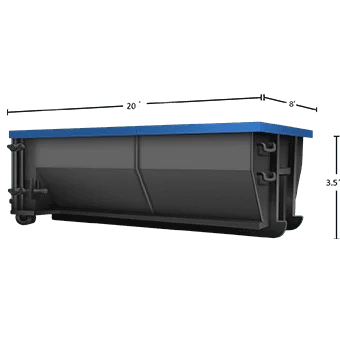
Estimate volume and weight separately
Describe the items or area being cleared and the material involved. Bulky furnishings take space differently from masonry or soil. If you are unsure, share a clear description or current photos rather than selecting solely from an advertised size label.
Ask whether the proposed material needs a particular container or separate handling. The supplier's accepted material and weight arrangement controls the order; an empty-looking space is not permission to keep adding heavy debris.
Compare the loading method
Explain whether material will be carried by hand, moved in carts or loaded with equipment. Ask about the actual opening and loading instructions of the offered container. Do not assume every container in a size category has identical access.
Plan the work area as well as the footprint. People loading should not need to work in vehicle traffic or obstruct an exit. Keep any door or service working area available as instructed.
Decide whether one collection will be enough
If the work occurs in phases, ask whether a single longer rental or a planned exchange better fits the project. Each option has scheduling and price implications that should be confirmed in the quote.
Follow the agreed fill line, weight and material instructions. If the project produces more debris than expected, contact the supplier about the next step. Overfilling or adding an unapproved material is not a substitute for arranging more capacity.
Questions before you book
Is a larger dumpster always safer for a mixed load?
Not automatically. Material acceptance, weight limits, access and loading method still need to match the order.
What should I send if I cannot estimate the size?
Describe the project, main materials, approximate quantity or area, and loading method. Current photos can help explain the debris without replacing the supplier's assessment.